Paths Greenways Bridleways Tracks
 PG: OBJECTS: PLANNING: PLANNING APPLICATIONS
The planning system in England and Wales is a plan-led system, in conformance with the National Planning Policy Framework. It is important to get local and neighbourhood plans to say the right things, and then use those policies to help improve planning applications.

Planning Applications - The Planning Balance

Planning decisions are made in accordance with the Local Plan. However, a development proposal may not be in accordance with ALL policies.

At its core, planning is about balancing the benefits of a proposed development with the harm it would cause.

The role of the planner is to identify the benefits, identify harms and weigh them all up to arive at a decision. The more important an impact, the more weight it is given in the overall palnning balance.

Planning law is clear: all planning applications should be determined in accordance with the development plan unless material considerations indicate otherwise. (The developer could always come up with mitigating factors.)

  1. Starts with the Local Plan policies
    • The starting point for deciding any planning application is the local plan.
    • The local plan is the set of documents that outlines a council's aspirations for development in its area over a particular period of time.
    • It can include documents like a local plan, core strategy and proposals map
  2. The local plan can't or won't cover everything
    • Despite the best efforts of the LPA, it would be impossible for the development plan to cover everything.
    • ...
  3. Material Considerations
    Material considerations are essentially all the factors that need to be taken into account beyondwhat the development plan says. This might include site specific factors such as loss of trees or traffic problems. It could also include more general matters such as other appeal decisions or relevant ccase law. Sometimes material considerations simply help full the gaps where policy is missing. In some cases though, it is posisble for material considerations to be so important that they outweigh the development plan altogether.
  4. Non-material considerations
    Not everything is a material consideration. Any factors that aren't covered by local plans, and which aren't material considerations are known as 'non-material considerations'. These shouldn't be considered at all when a decision is being made.
The weight is for the decision maker to decide.
  • Once the appropriate policies in the local plan have been identified along with any relevant material considerations, it is time to reach a decision.
  • That is done by deciding what weight should be afforded to each of those issues, and seeing where the overall balance lies.

  • Most decisions are delegated to officers
  • All applications include public consultation
  • Significant or Major applications may go to committee
  • Other applications can be 'called in' (in most councils) by the local member
  • Public speaking is allowed at most planning committees

  • Planning decisions can be 'political'
  • Engage with Members of the Council

  • The applicant can appeal
  • Opponents cannot appeal (although the High Court remains available)
Four types of application
  • Householder Application (but many things can be done by Permitted Development Rights)
  • Full Application
  • Outline Application
  • Reserved Matters Application
Full Application - Most common This is the most common type of planning application. The full details of a development proposal are given. It needs to give enough information for consultees to comment.

Types of development that require an applicaton for full permisison include:

  • New (usually) small-scale housing deveklopment
  • Most non-householder apdevelopments
  • Engineering or other works
  • changes of use of buildings or land.

Outline Application

The purpose of an outline application is to decide whether the scale and nature of a proposed development would be acceptable before a fully detailed proposal is put forward. This type of permission is usually for larger schemes, for example, housing developments.

If approved, conditios are normally attached which will need to be completed or met before further submission - this is known as a Reserved Matters application.

Where the setting of a listed building is affected or if the site is in a conservation area the council may require further details for consideration. In these cases an outline application may not be acceptable and an application for full permission will be required.

It is good to get involved at this stage to say if a site affects equestrian use or paths or an opportunity to improve, so that the planning officer is aware. Might want to ask that future landscaping plans take proper account of the the connections to the bridleway network and so on.

Section 106 agreements are usually signed at the Outline Application stage, so note if any might be needed, even if the details of what they should contain can't yet be fully known. Pick up again as the process moves to the reserved matters.

Reserved Matters

Where outline planning permission has been granted, an application for approval of the details or Reserved Matters, must be submitted to the planning authority for approval before the development starts.

A Reserved Matters application must be submitted for approval within three years of an Outline application being approved.

This will typically include information about the layout, access, scale and appearanace of the development, that is, the information excluded from the initial outline application.

S.106 Developer Contributions can mitigate the impact of unacceptable development to benefit local communities and support the provision of local infrastructure and can come in the form of
  • s.106 obligations
  • Community Infrastructure Levy
  • S.278 highway agreements
Site specific mitigation
  • Legal Tests:
    • necessary
    • directly related
    • fairly and reasonabl ---missing text ---
Developer could come back later to renegotiate with the council.
Plannign conditions
  • Conditions can allow development to take place which may otherwise be refused
  • Conditions can mitigate adverse effects and secure acceptibility of proposals
  • Conditions can bring about better facilities and links to networks for users
  • Conditions can improve quality of control to allow for more effective enforcements

Potential Access and ROW Conditions

  • Commencement, phasing hours duration of development
  • -- text missing--
Planning Application Responses
  • Most application responses are online but there may be an email address
  • If objecting, state this straight away.
  • Quote relavant Local Plan Policies (and why the application does not meet the polciy)
  • Quote the NPPF para 100 too
  • Suggest how the application could be improved or changed - suggest s.106 contributions or planning conditions
  • Copy in the local member or parish council
The future of the planning system. Most recently: The Levelling Up and regeneration Bill (May 2022):

  • More devolution to counties and unitary authorities
  • Speeding up the local plan process
  • New national development management policies
  • Faster NSIP process
  • New environmental standards
  • Neighbourhood planning will be given more weight
  • Local referendums on planning applications
  • Potentially more permitted development rights
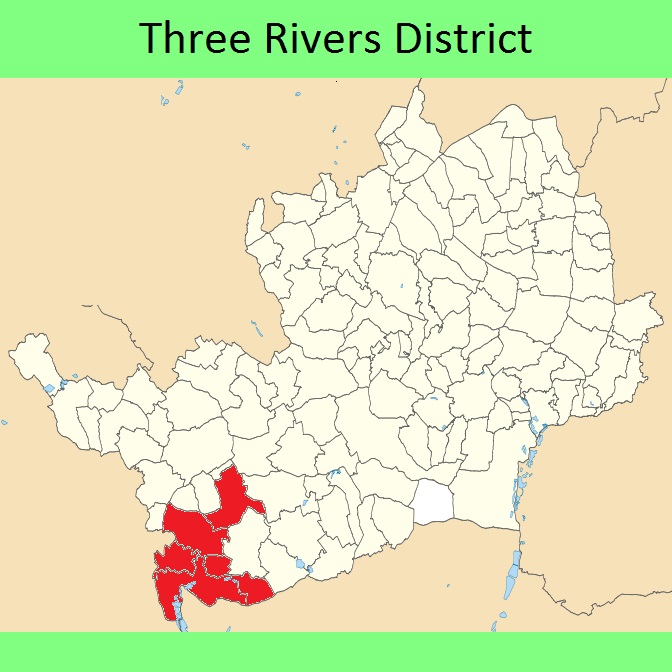
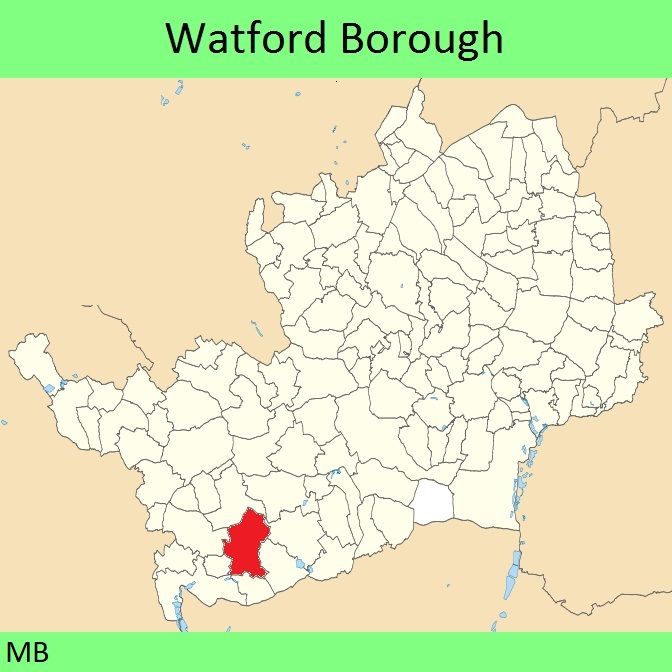
  • Dacorum Borough Three Rivers District Watford Borough St Albans District Hertsmere Borough North Hertfordshire Stevenage Borough Welwyn Hatfield Borough East Hertfordshire Broxbourne Borough

    © 2022 Patchetts Green Bridleways Trust and Stuart Harrison for the British Horse Society

    Stats2